
Smoking doesn’t just harm your lungs or heart it wreaks havoc on your oral health too. From bad breath to irreversible gum disease, the Effects of Smoking on Teeth are significant and often long-lasting. But here’s the good news it’s never too late to take charge of your oral health and reverse the damage caused by smoking.
The Relationship Between Smoking and Oral Health
Smoking introduces thousands of harmful chemicals into your body, many of which settle in your mouth. Nicotine and tar not only stain your teeth but also create an environment that fosters harmful bacteria. Over time, these Dental Effects of Smoking compound to seriously impact your oral health.
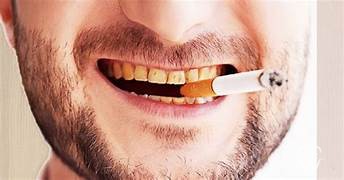
- Tooth Discoloration: One of the most visible effects of smoking is yellow or brown-stained teeth. Nicotine and tar adhere to tooth enamel, creating stubborn stains that regular brushing can’t easily remove.
- Stained dental work: Crowns, veneers, and fillings can also be discolored by smoking, making repairs more obvious and mismatched in your smile.
- Weakened enamel: Smoking can weaken the protective enamel layer on your teeth, making them more susceptible to decay and sensitivity.
- Gum recession: Smoking restricts blood flow to the gums, depriving them of essential nutrients. This can cause your gums to recede, exposing the roots of your teeth and leading to increased sensitivity. Smokers are twice as likely to develop gum disease, characterized by inflammation, bleeding, and even the destruction of gum tissue and bone supporting the teeth.
- Tooth loss: Over time, untreated gum disease and dental issues caused by smoking can lead to tooth loss.
- Chronic bad breath: Smoking dries out the mouth, creating a breeding ground for bacteria and causing persistent bad breath, also known as “smoker’s breath.”
- Impaired healing: Smokers heal more slowly after dental treatments like extractions or implants, increasing the risk of complications and infections.
- Oral cancer: 90% of those diagnosed with oral cancer are tobacco users. Cigarettes, cigars, and chewing tobacco all significantly increase the risk of developing oral cancer, often starting as small, painless lesions in the mouth, tongue, or throat.
Can the Damage Be Reversed?
The simple answer is yes taking decisive action now can significantly improve your oral health. While some Dental Effects of Smoking may be irreversible, you can still reverse a lot of the damage with commitment and care.
-
Quit smoking:
Quitting smoking is the single most impactful step you can take for your oral health. Once you stop smoking, blood flow and oxygen levels to your gums will improve, encouraging healing and regeneration. Your risk of developing oral diseases will decrease over time too.
Seek help through smoking cessation programs, nicotine replacement therapies, or mobile apps designed to help you stay on track.
-
Practice good oral hygiene:
A dedicated oral care routine will help repair some of the damage caused by smoking. Here’s what you need to focus on:
- Brush Twice a Day:Use fluoride toothpaste and a soft-bristled toothbrush. Electric toothbrushes work wonders for deep cleaning.
- Floss Daily:Flossing removes plaque and food particles from areas your brush can’t reach.
- Rinse with Mouthwash:An antibacterial mouthwash can reduce harmful bacteria and help improve your breath.
-
Visit your dentist regularly:
Make it a habit to visit your dentist every six months or more frequently if your oral health is compromised.
During your visits, your dentist can:
- Catch oral health issues early, including gum disease and oral cancer.
- Professionally clean your teeth to remove stubborn nicotine stains.
- Provide personalized advice on repairing damage and preventing further problems.
-
Consider professional whitening:
If stained teeth are affecting your confidence, ask your dentist about professional whitening options. Many smokers find this to be a great solution for restoring their smile.
-
Opt for gum disease treatment:
If you’re experiencing signs of gum disease, your dentist may recommend treatments like scaling and root planing (deep cleaning) to remove tartar buildup and reduce gum inflammation.
-
Boost your diet and hydration:
A balanced diet rich in vitamin C, calcium, and antioxidants can support gum health and strengthen your teeth. Drink plenty of water to keep your mouth hydrated and flush away lingering toxins.
The emotional impact of repairing your smile:
For many smokers, the damage to oral health isn’t just physical it’s emotional too.
Discolored teeth and bad breath can hurt your confidence, making social interactions and even smiling feel awkward.
However, taking action to repair your smile can be life-changing. Imagine looking in the mirror and seeing bright, healthy teeth.
Picture walking into a room and speaking confidently, knowing your breath is fresh and your smile radiant.
These changes don’t just improve appearance; they can also improve self-esteem, relationships, and overall quality of life.
Now’s the time to take action:
Your oral health matters, and it’s never too late to reclaim it. Every small step you take from quitting smoking to brushing more diligently brings you closer to a healthier smile and a better quality of life.
Start today. Book an appointment, grab your toothbrush and take control of your oral health.
Frequently Asked Questions (FAQs)
1. How does smoking affect your teeth?
Smoking stains your teeth, weakens enamel, increases decay, and leads to persistent bad breath.
2. Does smoking cause gum disease?
Yes. Smoking reduces blood flow to the gums, making you more prone to gum infections, inflammation, and gum recession.
3. Can smoking lead to tooth loss?
Yes. Untreated gum disease caused by smoking can damage the bone and tissue, eventually leading to tooth loss.
4. Does smoking slow down healing after dental treatments?
Yes. Smokers heal slower after procedures like extractions, implants, or gum treatments because smoking reduces oxygen and blood flow.
5. Can the damage from smoking be reversed?
Some damage can be improved by quitting smoking, practicing good oral hygiene, and seeing your dentist regularly.
6. Why do smokers get yellow teeth?
Nicotine and tar stick to tooth enamel, causing stubborn yellow or brown stains that brushing alone cannot remove.
7. Does smoking increase the risk of oral cancer?
Yes. Smoking is one of the biggest causes of oral cancer, affecting the mouth, tongue, and throat.
8. How can I improve my oral health if I smoke?
Quit smoking, brush twice a day, floss daily, use antibacterial mouthwash, drink more water, and visit your dentist every 6 months.
9. Can professional whitening help smokers?
Yes. Dentists can remove deep nicotine stains through whitening or polishing treatments to restore your smile.
10. How often should smokers visit the dentist?
Smokers should visit every 6 months or more frequently for cleanings and early detection of gum disease or oral cancer.