
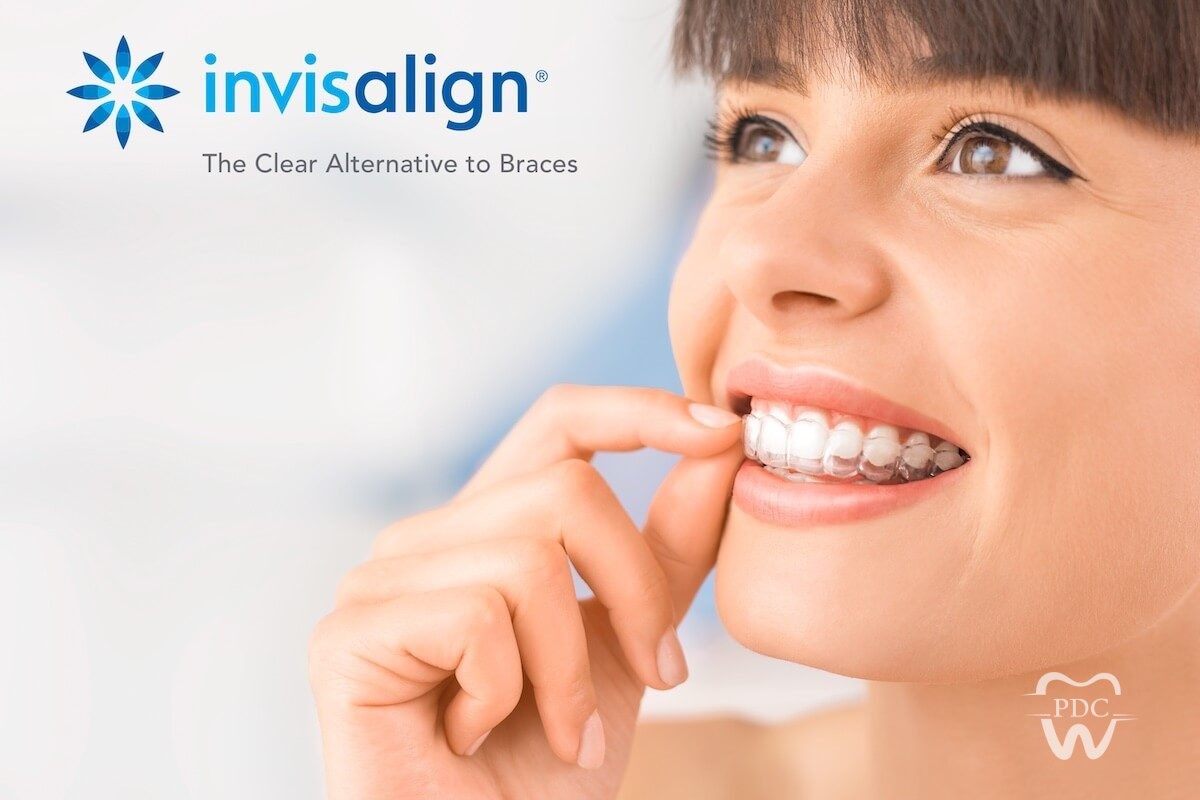
When it comes to straightening your teeth discreetly, two popular options stand out: Generic aligners and Invisalign
While both are effective alternatives to traditional braces, there are key differences that can influence your decision.
What are Aligners and Invisalign
Aligners: Clear aligners are custom-made trays designed to shift your teeth over time. Many companies offer aligners, and they can be prescribed either by a dentist or at- home orthodontic services.
Invisalign: Invisalign is a brand of clear aligners, and while similar in function to generic aligners, it is always overseen by a dentist or an orthodontist.
The key differences:
Aligners: Many companies offer remote orthodontic care, where patients order impression kits, send them back, and receive aligners without ever visiting a dental professional. While convenient, this lack of in-person supervision can pose a risk if complications arise or adjustments are needed. Without direct professional supervision, aligners can lead to unsatisfactory results, if malalignments aren’t properly addressed or monitored.
Invisalign: Invisalign is always monitored by a licensed orthodontist. This means you will have regular check-ups, allowing your provider to make necessary adjustments or changes to your treatment. Professional oversight ensures a higher level of care and accuracy.
Treatment complexities:
Aligners: Generic aligners are ideal for mild to moderate cases of crowding, spacing or minor malalignments. However, they might not be effective for more severe orthodontic problems, such as large gaps, rotated teeth or significant bite issues. They do not provide the flexibility needed for complicted cases, requiring patients to seek alternative treatments if their malalignment is more severe.
Invisalign: Invisalign’s system is designed to tackle more complex dental issues. Its aligners can be fitted with attachments (small tooth colored bumps), which is done by the certified orthodontist, to help move teeth in more difficult cases, making it a more versatile solution.
Comfort and fit:
Aligners: Generic aligners are made of clear plastic, but the materials can vary in thickness and flexibility between brands. Some people find these aligners less comfortable, particularly if they don’t fit as snugly or cause irritation. The fit of generic aligners might not be as precise as Invisalign and may cause irritation and discomfort.
Invisalign: Invisalign uses SmartTrackR material, which is designed for a more comfortable fit. The aligners are also trimmed to match your gumline, reducing irritation and providing a more seamless experience.
Cost:
While aligners are cheaper upfront, lack of professional oversight may lead to longer treatment times or additional procedures if the results are not satisfactory, potentially increasing the overall cost