

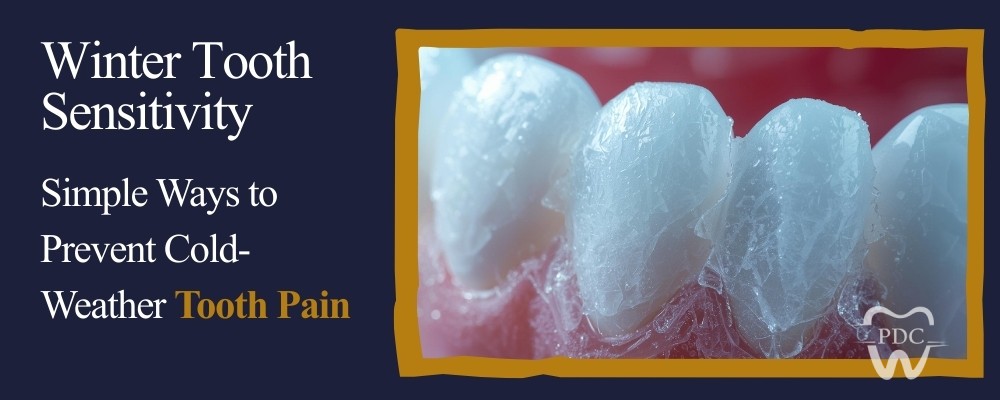
When winter arrives, many people enjoy warm blankets, hot tea, and cool breezes. But for some, cold weather also brings an uncomfortable problem sharp tooth pain while breathing cold air or drinking hot beverages. This condition, known as winter tooth sensitivity, can turn simple daily habits into painful experiences.
At Prakash Dental Care, we often meet patients who say, “My teeth hurt more in winter. Is this normal?” The answer is yes many people experience increased sensitivity during colder months. The good news is that with the right care, you can prevent and manage it effectively.
This guide explains why teeth become sensitive in winter, how to protect them, and when to see a dentist, so you can enjoy the season without discomfort.
What Is Winter Tooth Sensitivity?
Winter tooth sensitivity is a sharp, sudden pain that occurs when your teeth come in contact with cold air, cold water, or hot drinks during cold weather. It usually happens when the protective layers of your teeth weaken, exposing sensitive inner parts.
This sensitivity is not a disease by itself. Instead, it is a warning sign that something in your oral health needs attention.
Why Do Teeth Hurt More in Winter?
Several factors make tooth sensitivity worse during cold weather:
1. Cold Air Exposure
Breathing in cold air causes your teeth to expand and contract slightly. This movement can irritate sensitive nerves inside the tooth.
2. Enamel Wear
Enamel is the outer protective layer of your teeth. When it wears down due to brushing habits, acidic foods, or grinding, the sensitive layer underneath becomes exposed.
3. Gum Recession
When gums pull back, the roots of teeth become visible. Tooth roots do not have enamel, making them highly sensitive to temperature changes.
4. Dry Mouth in Winter
Cold weather and indoor heating reduce saliva production. Saliva protects teeth by neutralising acids and washing away bacteria. Less saliva means more sensitivity.
5. Existing Dental Problems
Cavities, cracks, old fillings, or gum disease can become more noticeable in winter and cause pain.
Common Signs of Winter Tooth Sensitivity
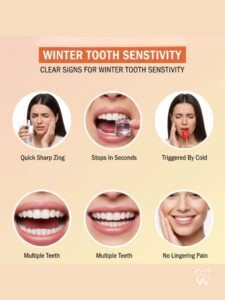
You may be experiencing winter tooth sensitivity if you notice:
- Sharp pain when breathing cold air
- Discomfort while drinking hot tea or coffee
- Pain when eating ice cream or cold fruits
- Sensitivity during brushing
- Sudden discomfort in specific teeth
If these symptoms continue for more than a few days, it’s best to consult a dentist.
Simple Ways to Prevent Winter Tooth Sensitivity
Here are practical steps you can take to protect your teeth during cold weather.
1. Use a Toothpaste for Sensitive Teeth
Desensitising toothpaste contains ingredients that block pain signals from reaching the nerves. With regular use, it can significantly reduce sensitivity.
- Use it twice daily
- Do not rinse immediately after brushing
- Allow it to stay on teeth longer
This is often the first recommendation given by dentists offering Best Dental Care in Bangalore.
2. Switch to a Soft-Bristle Toothbrush
Hard brushing damages enamel and irritates gums. A soft-bristled brush cleans effectively without causing harm.
- Brush gently in circular motions
- Avoid aggressive scrubbing
- Replace your brush every 3 months
3. Protect Your Mouth from Cold Air
When going outside in cold weather:
- Cover your mouth with a scarf
- Breathe through your nose when possible
- Avoid sudden exposure to cold wind
This simple habit reduces direct cold contact with teeth.
4. Maintain Good Gum Health
Healthy gums protect tooth roots. To keep them strong:
- Floss daily
- Use dentist-recommended mouthwash
- Treat gum bleeding early
- Get regular cleanings
Gum care plays a major role in preventing sensitivity.
5. Avoid Acidic and Sugary Foods
During winter, people often consume more:
- Soft drinks
- Citrus fruits
- Sweet snacks
- Pickles
These weaken enamel and increase sensitivity. Rinse your mouth with water after consuming them.
6. Avoid Teeth Grinding
Stress and cold weather sometimes increase teeth grinding (bruxism), which wears enamel.
Signs include:
- Jaw pain
- Headaches
- Flat or worn teeth
If you grind your teeth, your dentist may recommend a night guard.
7. Stay Hydrated
Drink enough water throughout the day. Proper hydration supports saliva production and keeps your mouth healthy.
Home Remedies for Temporary Relief
These remedies may help reduce mild sensitivity:
-
Salt Water Rinse
Mix half a teaspoon of salt in warm water and rinse twice daily to reduce inflammation.
-
Clove Oil (Occasionally)
Apply a small amount to painful areas for temporary relief.
-
Lukewarm Water
Avoid extremely hot or cold water while brushing and rinsing.
Note: Home remedies provide temporary relief. They do not replace professional treatment.
Professional Treatments for Tooth Sensitivity
If sensitivity continues, a dentist may recommend:
1. Fluoride Application
Strengthens enamel and reduces nerve exposure.
2. Dental Bonding
Covers exposed root surfaces.
3. Desensitising Varnish
Seals sensitive areas.
4. Gum Treatment
For sensitivity caused by gum recession or disease.
5. Restorative Treatment
Fillings or crowns for damaged teeth.
Professional care addresses the root cause rather than just symptoms.
Daily Winter Oral Care Routine (Easy Checklist)
Follow this simple routine to protect your teeth:
Morning
- Brush with sensitivity toothpaste
- Rinse with lukewarm water
After Meals
- Rinse mouth with water
Night
- Brush and floss
- Use mouthwash if advised
Weekly
- Check for bleeding, pain, or cracks
Consistency is the key to preventing winter tooth problems.
When Should You See a Dentist?
You should consult a dentist if:
- Pain lasts more than a week
- Sensitivity is severe
- One tooth hurts more than others
- You notice cracks or swelling
- Pain affects eating or sleeping
Early care at the best dental clinic in HSR prevents bigger problems later.
Why Winter Dental Check-Ups Are Important
Many people postpone dental visits during winter. However, this is the best time to detect:
- Early cavities
- Enamel erosion
- Gum problems
- Old filling damage
A simple check-up can prevent months of discomfort.
Final Thoughts
Winter tooth sensitivity is common, but it should never be ignored. It is often a sign of enamel wear, gum issues, or hidden dental problems. With proper daily care, healthy habits, and timely dental visits, you can protect your teeth and enjoy winter without discomfort.
Simple steps like using sensitivity toothpaste, brushing gently, staying hydrated, and protecting your mouth from cold air can make a big difference.
At Prakash Dental Care, we are committed to providing Best Dental Care in Bangalore with a patient-first approach. If cold weather is making your teeth hurt, don’t wait early to ensures a healthy, pain-free smile all year round.
Frequently Asked Questions
1. Is tooth sensitivity in winter normal?
Yes. Cold air and temperature changes often increase sensitivity, especially if enamel is weak.
2. Can sensitive teeth heal on their own?
Mild cases may improve, but long-term sensitivity usually needs dental treatment.
3. How long does winter tooth sensitivity last?
It may last all winter if untreated. With proper care, most people improve within weeks.
4. Does teeth whitening increase sensitivity in winter?
Yes. Whitening may temporarily increase sensitivity, especially in cold weather.
5. Can gum disease cause tooth sensitivity?
Yes. Gum disease exposes roots, making teeth more sensitive.
6. When should I visit the dentist for tooth pain?
If pain lasts more than a few days, consult the best dentist in HSR immediately.
7. Where can I get treatment for sensitive teeth in HSR Layout?
You can visit Prakash Dental Care, a trusted dental clinic in HSR Layout, for professional evaluation and treatment.