
Bruxism
What is Bruxism?
Parafunctional grinding of the teeth or an oral habit consisting of involuntary rythmic or spasmodic non functional gnashing, grinding or clenching of teeth in other than chewing movements of the mandible which may lead to occlusal trauma.
Bruxism is commonly diagnosed during routine visits to a dentist in HSR Layout or a dental clinic near me, where early signs of tooth wear and jaw strain are identified.
When was this termed?
Term “la bruxomanic” was first introduced in 1907 By “MARIE PIETKIEWICZ”. latter it was termed as bruxism.
Varieties of Bruxism?
- Bruxism during daytime ” Clenching ” – AWAKE BRUXISM / DIURNAL BRUXISM.
- During night time or in sleep – SLEEP BRUXISM.
Why does it happen?
- High points in the occlusion, Mal occlusion.
- Psychological such as: stress, anxiety, depression.
- Pathophysiological causes involving brain neurotransmitters or basal ganglia.
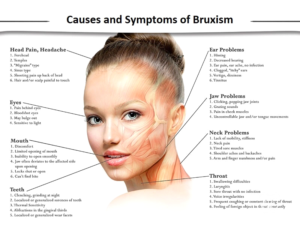
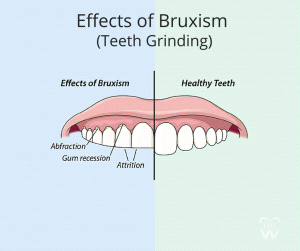
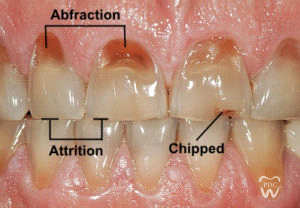
Effects of Bruxism
How do I control it?
- By orthodontic treatments ( Brackets / Braces / clips ).
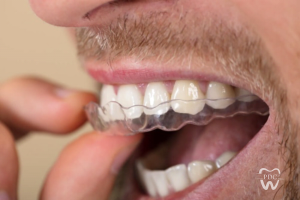
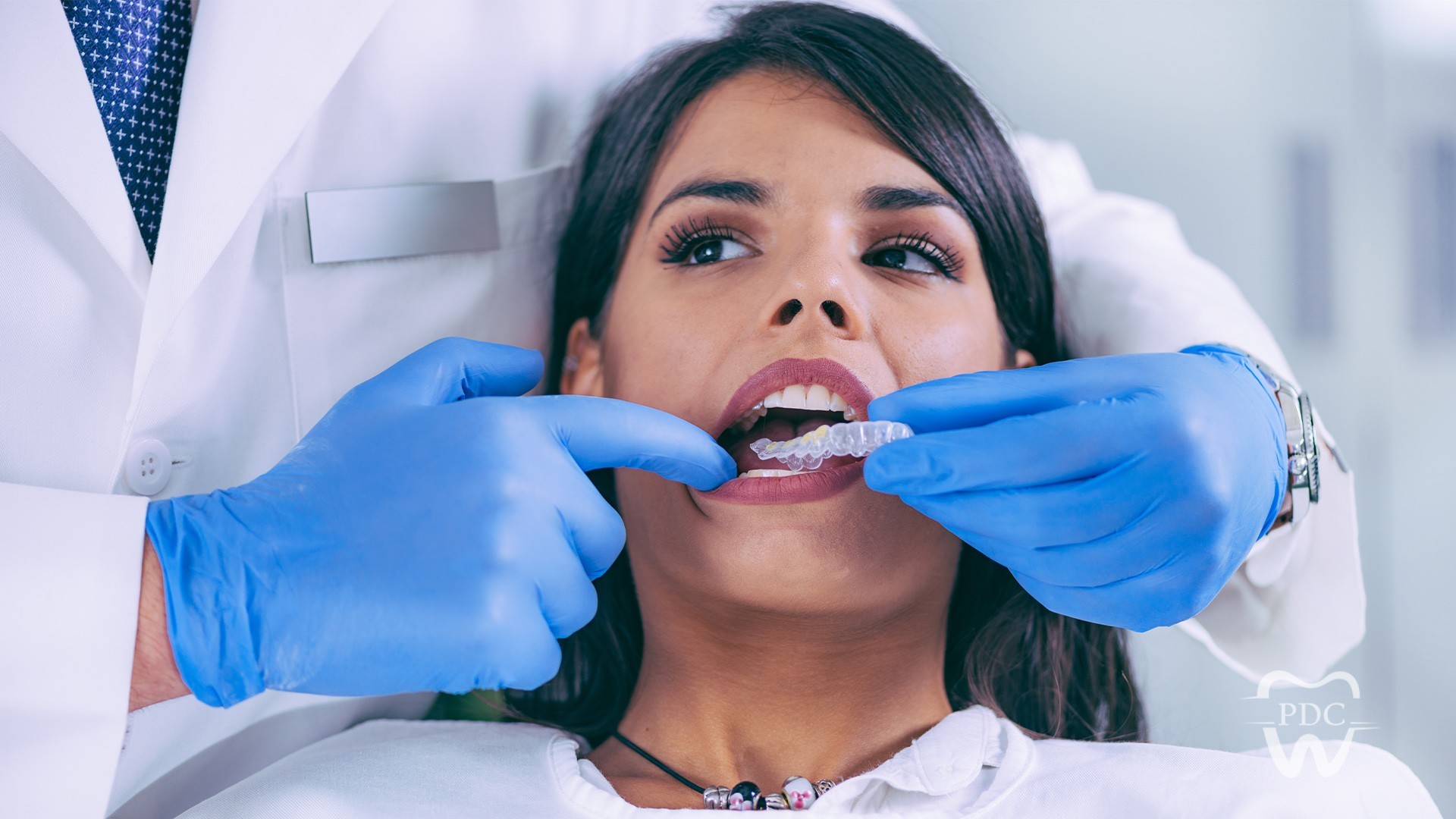
- Soft Splints / Night Guard
- Change in your life style ( Destress your self ).
- Medicines under Observation of the dentists / physicians.Long-term bruxism may also increase the need for treatments like teeth cleaning near me or restorative procedures if enamel damage progresses.